Ceasefire Deal Collapses – Is The Pentagon Preparing To Unleash 'The Next Conquest' In Iran?
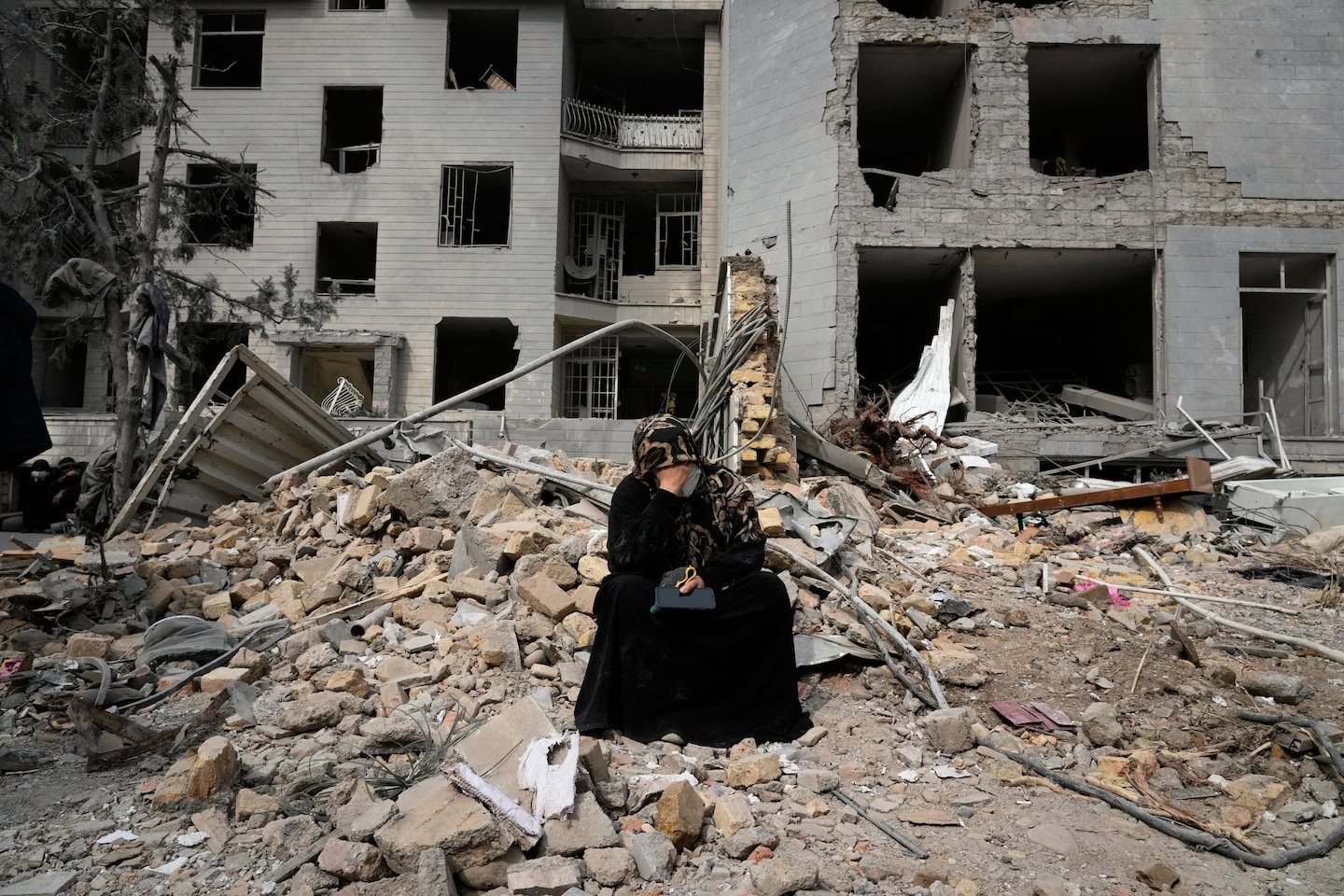
The fragile ceasefire between the United States and Iran now hangs by a thread, with rising tensions threatening to plunge the region back into full-scale conflict. What was initially presented as a diplomatic breakthrough has quickly revealed itself as a temporary pause rather than a lasting solution.
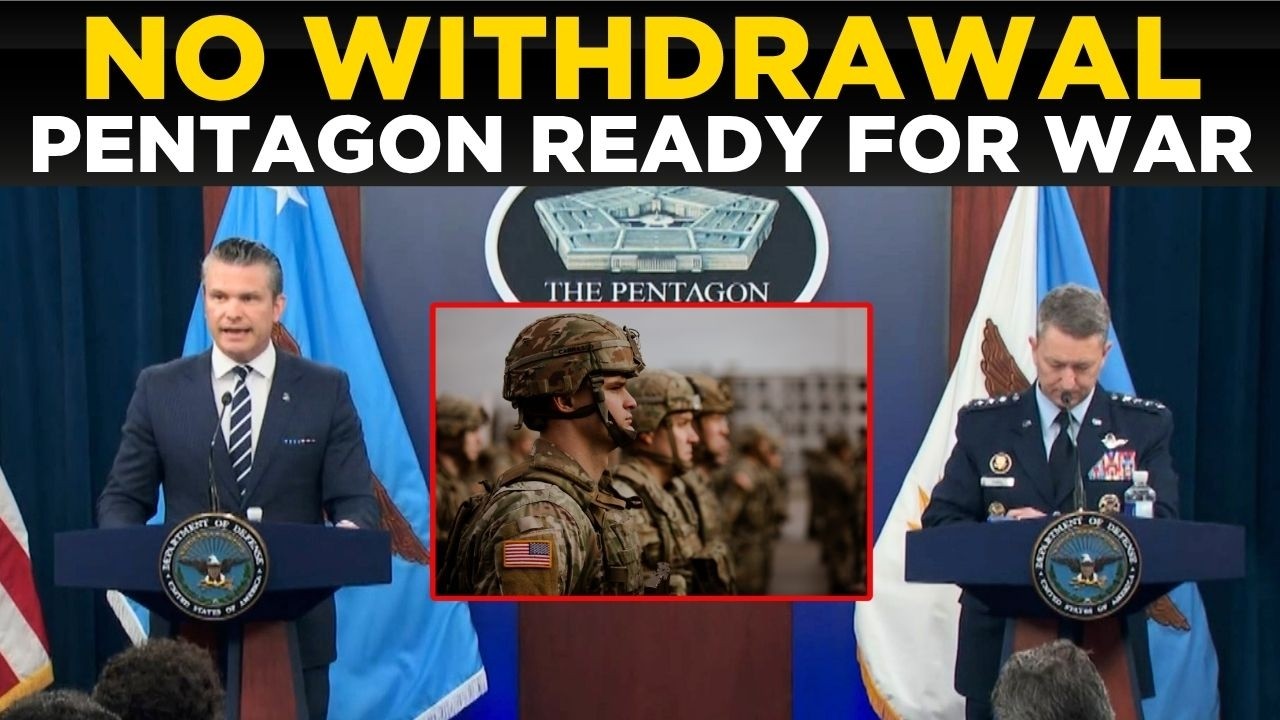
Reports indicate that both sides have accused each other of violations, while ongoing hostilities involving regional actors continue to undermine trust. Behind the scenes, high-stakes negotiations are underway, yet the tone from Washington remains firm. U.S. leadership has warned that failure in talks could trigger renewed military strikes, signaling that the option of escalation remains firmly on the table. At the same time, Pentagon officials have made it clear that American forces will remain strategically positioned in the Middle East, ready to respond at a moment’s notice if the ceasefire collapses completely.
Military briefings suggest that the U.S. already considers its recent campaign a decisive blow to Iran’s capabilities, with large portions of its defense infrastructure reportedly destroyed. Yet analysts caution that Iran retains strategic leverage particularly through control of vital oil routes like the Strait of Hormuz and continues to demonstrate resilience despite heavy losses.
The question now is whether this moment represents the calm before renewed confrontation. While some observers frame the situation as preparation for a broader campaign what critics are calling “the next conquest” others argue that both sides are seeking leverage ahead of a possible long-term agreement. Negotiations in Islamabad may determine whether diplomacy prevails or whether the region slides back into intensified warfare. As the world watches, one reality is clear: the ceasefire is not peace it is a countdown.