Global Tensions Rise as War, Economy, and Climate Dominate Headlines
April 17, 2026The international community is currently facing a complex mix of geopolitical conflict, economic instability, and climate urgency, all converging to define the global landscape in 2026.
Escalating Middle East Tensions
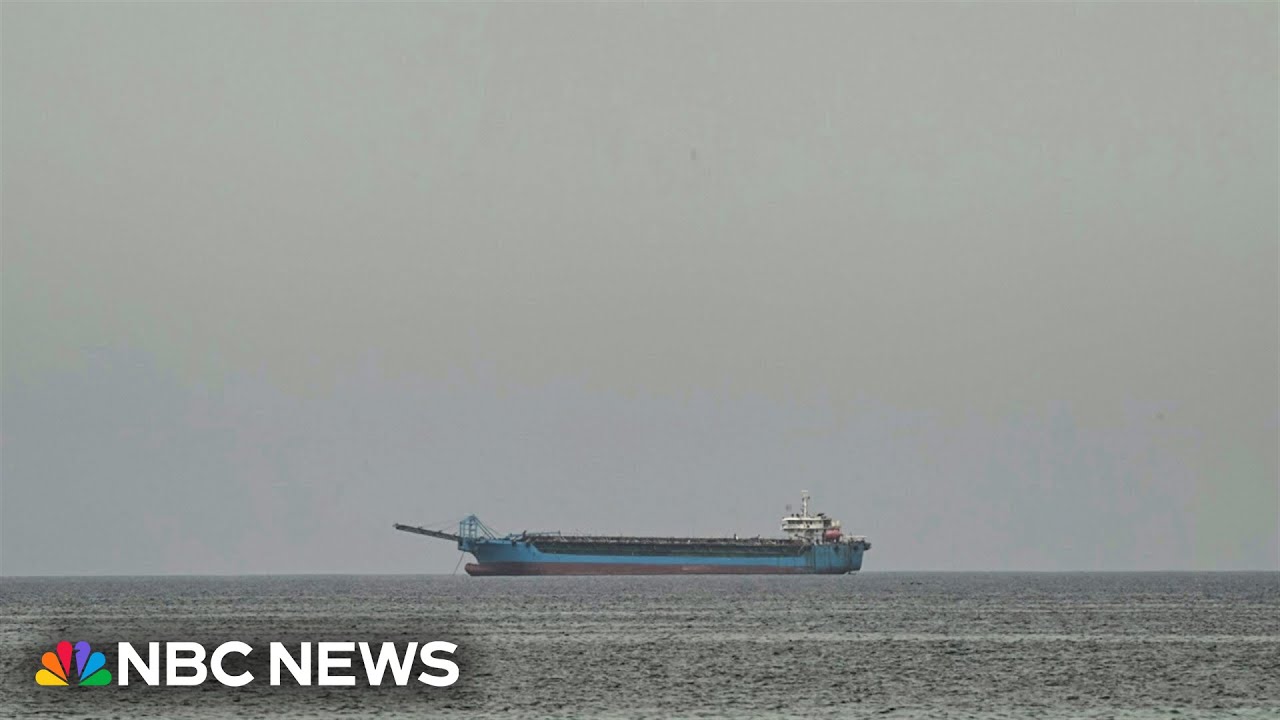
The ongoing crisis involving Iran has become a focal point of global concern, with rising tensions affecting both regional stability and international relations. Diplomatic efforts are intensifying, as major powers—including France and the United Kingdom—seek to reopen the Strait of Hormuz, a vital global oil transit route disrupted by the conflict.A fragile ceasefire between Israel and Lebanon has provided temporary relief, while discussions of possible negotiations between Iran and the United States suggest a narrow window for diplomacy. However, uncertainty persists as military posturing and strategic alliances continue to evolve.
Economic Shockwaves Across the Globe
The geopolitical unrest has triggered widespread economic consequences. Rising oil prices, supply chain disruptions, and inflationary pressures are impacting both developed and developing economies.Financial markets have shown increased volatility, with sectors such as defense, energy, and artificial intelligence experiencing growth, while consumer-driven industries struggle under tightening economic conditions. Governments are implementing fiscal and monetary policies aimed at stabilizing their economies and protecting vulnerable populations.
Energy Crisis and Supply Chain Disruptions
The instability surrounding the Strait of Hormuz has significantly disrupted global energy supplies, leading to sharp increases in fuel costs. These developments are not only affecting transportation and manufacturing but are also driving up food production costs due to higher fertilizer prices.Experts warn that prolonged disruption could deepen global inequalities, particularly in regions heavily dependent on imported energy and food supplies.
Shifting Global Leadership
On the political front, new leadership voices are emerging. Pope Leo has taken a more assertive stance on global issues, openly addressing inequality, war, and humanitarian concerns. His leadership signals a shift in the role of global moral institutions in influencing international discourse.Meanwhile, world leaders are navigating the delicate balance between national interests and global cooperation, especially as domestic pressures mount.
Climate Action Gains Momentum
Despite ongoing conflicts, climate change remains a pressing global priority. A coalition of over 50 countries is pushing forward with initiatives aimed at reducing dependence on fossil fuels and accelerating the transition to renewable energy.This movement highlights the urgency of climate action, even as geopolitical tensions complicate international collaboration.
Conclusion
As the world moves through April 2026, it stands at a critical juncture. The interplay between conflict, economic strain, and environmental challenges will shape global stability in the coming months. While diplomatic efforts offer cautious optimism, the path forward remains uncertain, requiring coordinated action from governments, institutions, and global stakeholders.