NOW: Vance in Pakistan for high-stakes Iran peace talks.
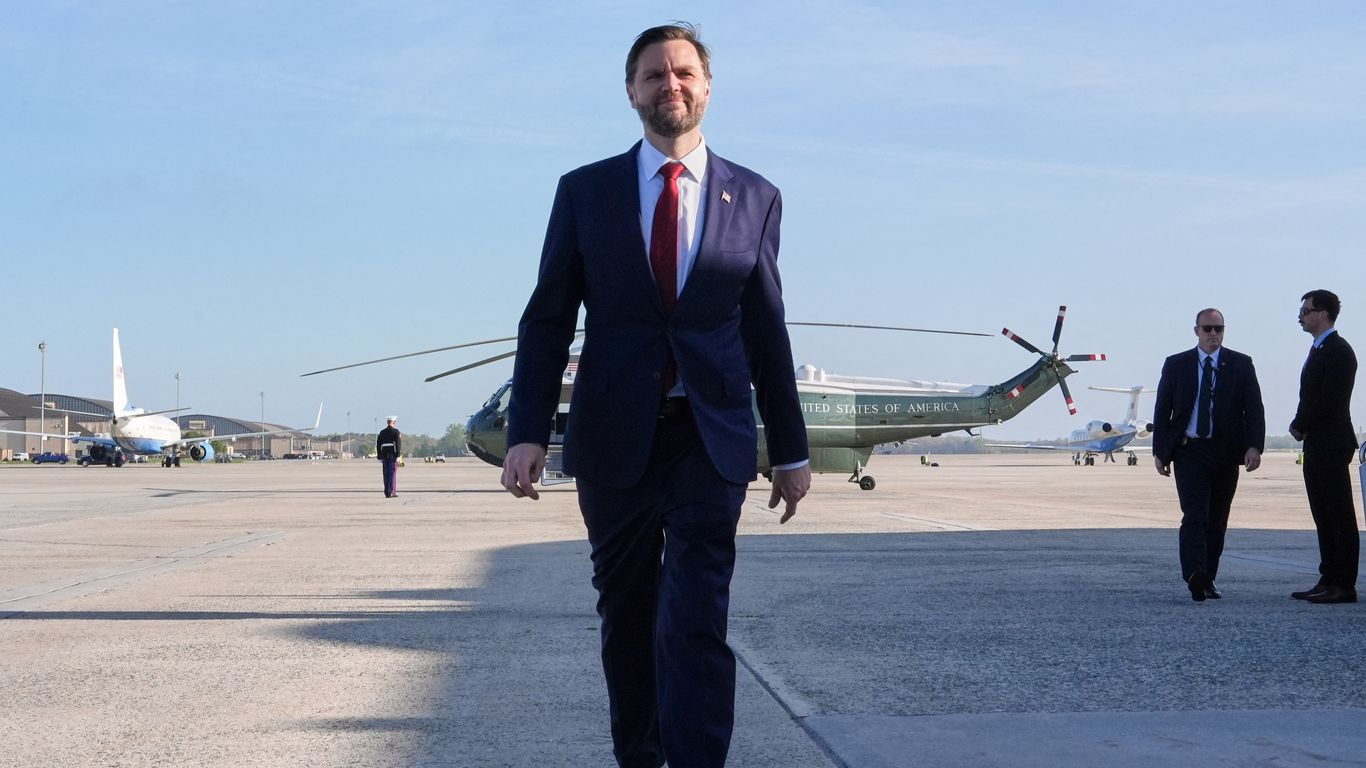
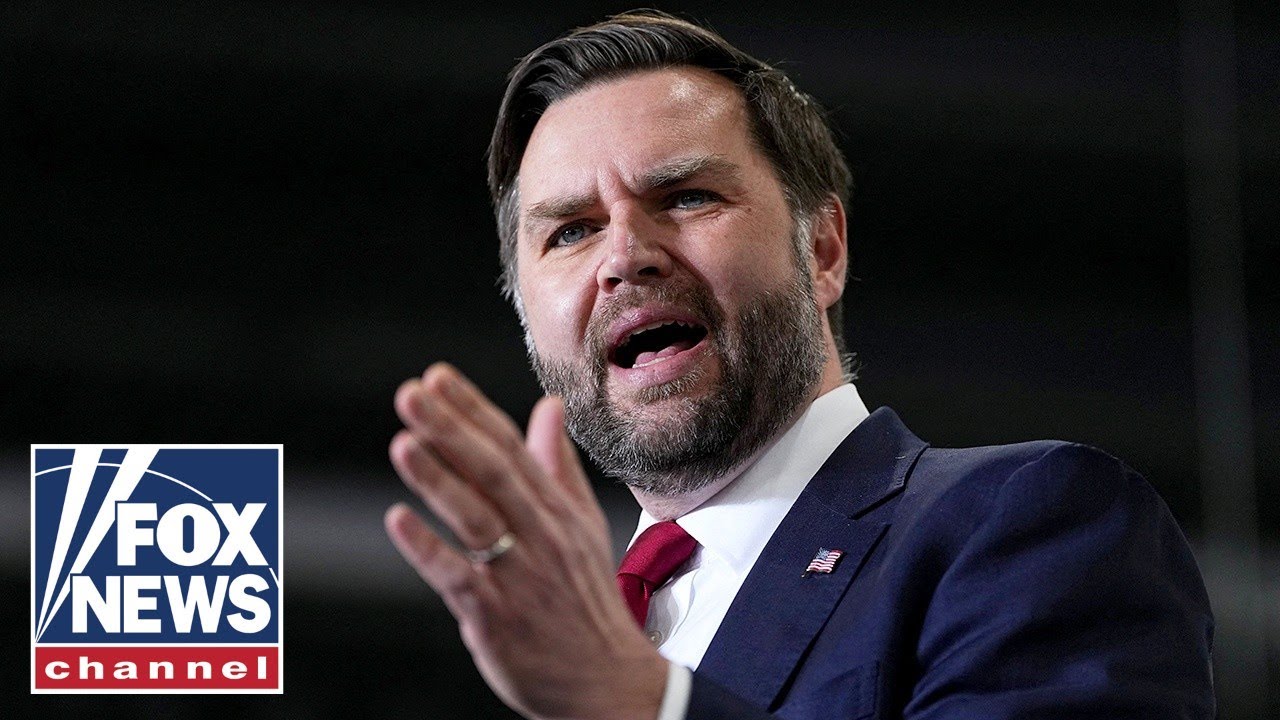
In a dramatic diplomatic move with global implications, JD Vance has arrived in Islamabad to lead critical peace negotiations between the United States and Iran. The talks, hosted and mediated by Pakistan, are being described as the most significant engagement between Washington and Tehran in decades.
A Fragile Window for Peace
The negotiations come amid a fragile ceasefire following weeks of intense conflict that has destabilized the Middle East and threatened global energy supplies. Pakistan stepped in as a mediator, helping broker a temporary truce and offering its capital as neutral ground for dialogue. Despite this breakthrough, tensions remain high. The ceasefire is seen as tentative, with both sides deeply divided on key issues such as nuclear policy, sanctions, and military presence in the region.
Inside the High-Stakes Talks
The negotiations are reportedly taking place under heavy security at the Serena Hotel Islamabad, a fortified venue capable of hosting large diplomatic delegations. On the U.S. side, Vance is joined by senior envoys, while Iran’s delegation is led by high-ranking officials including parliamentary leadership. The talks may initially proceed indirectly, with Pakistani officials acting as intermediaries between both sides. Key agenda items include:
- Control and security of the strategically vital Strait of Hormuz
- Iran’s nuclear program and uranium enrichment
- Economic sanctions and access to frozen Iranian assets
- Regional conflicts, including tensions involving Israel and Lebanon
Why These Talks Matter
This diplomatic effort is widely viewed as a pivotal moment. Not only could it determine the outcome of the current conflict, but it may also reshape geopolitical relations in the Middle East for years to come.The stakes are enormous: failure could lead to renewed escalation, disruption of global oil markets, and broader regional war. Success, however, could mark a historic thaw in relations that have been frozen since 1979.
Challenges Ahead
Analysts remain skeptical about the likelihood of a breakthrough. Iran has reportedly set strict conditions for participation, while political divisions within the United States add further complexity to the negotiations. Moreover, the compressed timeline and limited pre-negotiation groundwork raise concerns that the talks may be more symbolic than substantive—at least in the early stages.
Conclusion
As the world watches, the outcome of these talks could either open the door to lasting peace or push the region closer to deeper conflict. With JD Vance at the center of this diplomatic gamble, the coming days in Islamabad may prove decisive not just for U.S.-Iran relations, but for global stability itself.