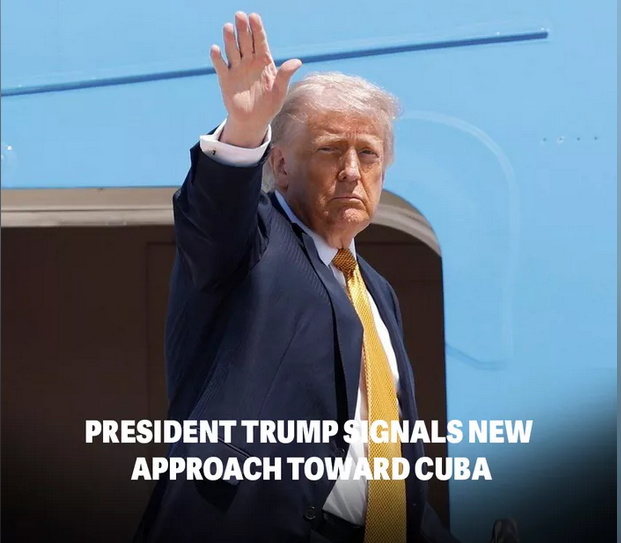
Trump Signals New Cuba Strategy as White House Escalates Pressure on Havana
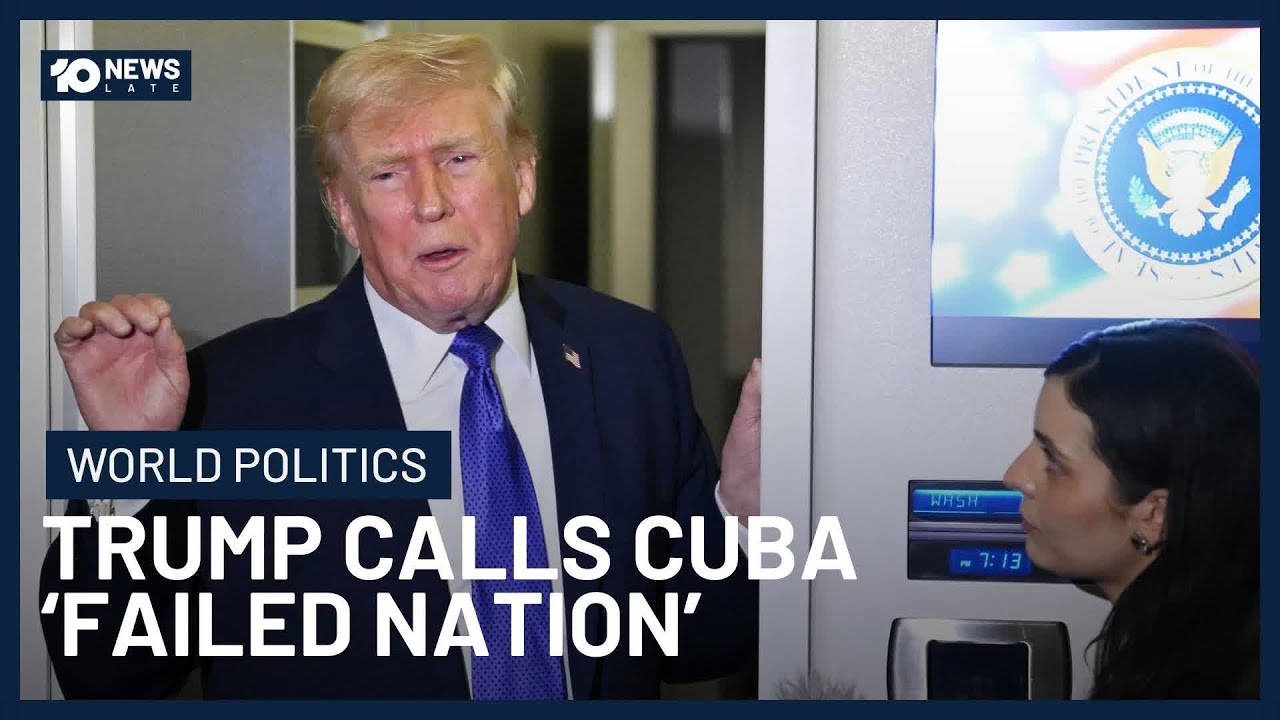
WASHINGTON — President Donald Trump has announced that the United States wants to “help” Cuba amid the island nation’s worsening economic and humanitarian crisis, while senior White House officials continue increasing pressure on the Cuban government through sanctions, diplomatic actions, and strong public statements. Speaking at the White House this week, Trump described Cuba as a “failed country” struggling with electricity shortages, food scarcity, and financial collapse. He said his administration hopes to create opportunities for Cuban-Americans to return to the island and invest in rebuilding its economy. “They want to go back to their country, they want to help their country,” Trump said, referring to Cuban-Americans living in Florida and especially the Miami community. The latest remarks come as the White House intensifies its hardline approach toward Havana. Secretary of State Marco Rubio has repeatedly called Cuba a “failed state” run by “incompetent communists,” blaming the island’s leadership for the growing crisis.
White House Expands Measures Against Cuba
Recent White House actions include:
- expanded sanctions on Cuban officials,
- new restrictions targeting oil shipments to Cuba,
- and legal charges against former Cuban President Raúl Castro over the 1996 shootdown of civilian aircraft linked to the Miami-based group Brothers to the Rescue.
Earlier this year, the White House released an official fact sheet declaring Cuba an “extraordinary threat” to U.S. national security. The administration accused Havana of supporting hostile actors and hosting foreign intelligence operations linked to Russia and other U.S. adversaries. Trump also signed executive measures threatening tariffs against countries supplying oil to Cuba, a move critics describe as an economic blockade that has deepened fuel shortages and nationwide blackouts across the island.
Humanitarian Aid Proposal
Despite the tougher stance, Washington says it is willing to provide humanitarian assistance.The Trump administration recently offered Cuba $100 million in aid focused on food, medicine, and emergency support, though the offer reportedly includes conditions requiring political and economic reforms. According to U.S. officials, the aid would be distributed through independent humanitarian organizations and religious groups rather than the Cuban government. Cuban officials responded cautiously. Cuban President Miguel Díaz-Canel said Havana would consider the assistance if it complied with international humanitarian standards and did not involve political pressure.
Growing International Concern
The escalating tensions have sparked concern internationally and within the United States.Some Democratic lawmakers in Washington are attempting to limit any potential military action against Cuba, warning that increased confrontation could trigger instability and a migration crisis in the Caribbean. Critics of the administration argue that decades of sanctions and the current oil restrictions are worsening humanitarian suffering for ordinary Cubans. Supporters of Trump’s policy, however, say the pressure campaign is necessary to force political reform and weaken Cuba’s communist leadership. The crisis in Cuba has intensified in recent months, with widespread power outages, rising food prices, and shortages of medicine and fuel affecting millions of residents. Analysts say the country is facing one of its worst economic periods since the collapse of the Soviet Union.
Uncertain Future for U.S.–Cuba Relations
While the White House insists it prefers diplomacy and humanitarian engagement, recent comments from Trump and Rubio have fueled speculation about the administration’s broader intentions toward Cuba. For now, the administration appears focused on combining economic pressure with outreach to Cuban-Americans who may play a role in future investment and reconstruction efforts if conditions on the island change.